About me
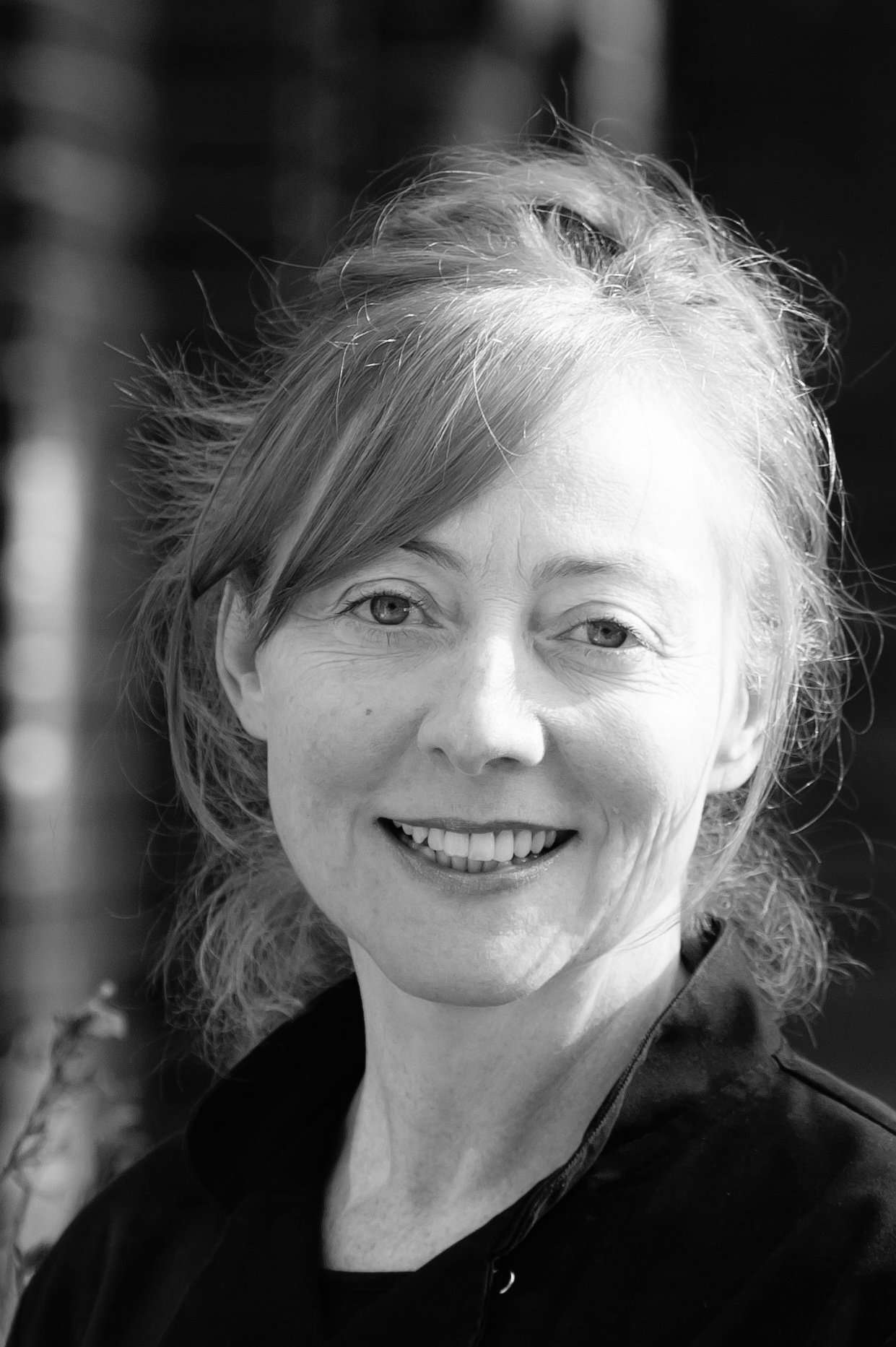
Compassionate, Confidential, In‑Depth Therapy in North London
I’m Marcia Barrington — a psychotherapist offering compassionate, confidential and in‑depth therapy near Archway, Highgate and Crouch End. My practice provides an inclusive, safe and professionally held space where you can be truly heard, respected and supported as you explore what matters most to you. Using a gentle, non‑directive approach, I offer long‑term psychotherapy sessions (1–3 times weekly) that allow the therapeutic work to unfold at your pace and depth.
Practice location: West Hill House Consulting Rooms, located in Swain’s Lane by Hampstead Heath, London N6 - a peaceful and easily reachable location, conveniently close to Dartmouth Park, Parliament Hill, Gospel Oak and Kentish Town in North London.
Practice location: Association for Group and Individual Therapy (AGIP), 1 Fairbridge Road, London N19 3EW - situated very close to Archway, Highgate and Tufnell Park in North London.
-
My psychotherapy fees per session are between £50-£65 at my consulting room which is conveniently located at AGIP, 1 Fairbridge Road, North London N19 3EW. Fees are dependent on your financial circumstances.
Reduced rate Psychotherapy:
I have a therapy space available three times a week in Archway or Highgate. I can offer sessions at a reduced rate of £20–£25, depending on your finances.
-
Psychoanalytic psychotherapy offers a deep, long-term path to lasting change — not just symptom relief.
It’s for people who want to understand and transform the underlying emotional patterns that keep them trapped in depression, anxiety, trauma responses, disordered eating, obsessive–compulsive behaviours, relationship conflict, low self‑esteem or a pervasive sense of being stuck.
Why choose psychoanalytic psychotherapy?
Works at the root, not just the surface: Rather than focusing only on coping strategies, this approach explores how early experiences, unconscious beliefs and relational patterns shape current feelings and behaviours. Bringing these into conscious awareness allows for fundamental change in how you feel about yourself and others.
Effective across many difficulties: Psychoanalytic work is well-suited to depression, anxiety, trauma and grief; it also helps with disordered eating, OCD patterns, addiction recovery, sexual difficulties, menopause‑related struggles, identity questions, low confidence and diffuse sadness or loss of direction. Because it targets core emotional drivers, benefits often spread across multiple areas of life.
Builds durable resilience: By understanding long‑standing internal conflicts and defensive patterns, you develop new ways of relating to your thoughts, emotions and relationships. This reduces the risk of relapse and supports sustainable wellbeing.
Deepens self‑knowledge and choice: Therapy illuminates unconscious motivations, repeating relationship dynamics and self‑sabotaging habits. With insight comes greater freedom to make different choices and to relate more authentically.
Safe, contained, relational healing: The consistent, reliable relationship with a trained therapist provides a different emotional experience. This containment is especially therapeutic for trauma, attachment wounds and complex emotional presentations that don’t respond fully to time‑limited approaches.
Tailored for complexity and comorbidity: Many people present with several overlapping issues (e.g. anxiety with disordered eating, or depression with relationship conflict). Psychoanalytic psychotherapy is designed to hold and work with this complexity rather than reduce problems to single symptoms.
Time and depth for real integration: Change at the root takes time. Regular, ongoing sessions create the continuity needed for patterns to be recognised, resisted, grieved and transformed. This makes psychoanalytic therapy particularly appropriate for those who want substantial, enduring change rather than quick fixes.
-
This really will depend on what you would like to work on in the sessions. Are you coming to therapy with specific thought patterns you’d like to change, or are you wanting long term psychotherapy to allow you time to explore what might be troubling you at a deeper level.
Psychoanalytic Psychotherapy is traditionally an open-ended, long-term form of therapy, typically offered for a minimum of two years, with session frequency varying from once to twice, or sometimes three to four times per week. We can discuss and agree on how often when we meet in person and what feels best for you.
-
From time to time I have availability for 1-weekly sessions.